In the final Gateway to Local Adoption article of 2025, Visions4Health caught up with Julian Wenman, senior operations manager in oncology and haematology at the University Hospitals Tees (Group) Cancer Institute, to discuss how it’s possible to realise the NHS 10-Year Health Plan’s major ambition to shift care from hospitals into the heart of communities.
Across the NHS, we keep hearing about the ‘shift to community’, but what does meaningful change look like, and how do we ensure we deliver for patients rather than just hitting the latest performance target? The NHS 10-Year Health Plan is clear: specialist care belongs with the specialists, but a huge swathe of treatments could and should move closer to home, provided we get the pathways – and the partnerships – right.
It’s not about offloading everything from hospitals to community. The key is identifying which services are genuinely safe and effective enough to warrant a community-based model of care. In my experience, infusions for rheumatology and neurology, and many chemotherapy or immunotherapy treatments, could be delivered in community clinics once patient stability and safety are established. There are fantastic examples of this already working: moving management of ascites (abnormal build-up of fluid in the abdomen) from a week-long, in-patient approach to an out-patient model, freeing beds and letting people sleep at home. Future plans include a Trust’s chemotherapy bus bringing vital care directly to rural patients, saving both gruelling journeys and precious hospital resources.
However, shifting to community care is not just about logistics; it’s about forging creative, place-based partnerships that rethink where and how treatment happens. Drawing on work now underway with a Local Government Association partner, oncology teams are exploring the use of empty high street retail units as safe, welcoming spaces for delivering chemotherapy closer to home, rather than defaulting to the traditional hospital day unit. By bringing local authorities, the NHS and life sciences companies around the same table, these models could evolve from simply relocating services to reshaping commercial relationships with industry, with manufacturers supplying equipment and medicines into community hubs in new ways that align financial incentives with better access, experience and outcomes for patients.
Of course, challenges remain. Transition costs can be daunting, as double-running both old and new models often lacks up-front funding. Bureaucracy can cause even the best ideas to stall, and novel approaches need robust governance to ensure safety and accountability. Not every procedure belongs in the community, and risk assessment is crucial, as is ensuring professional standards wherever care is delivered.
Still, there’s a clear path forward. Scale up proven community pilots, invest the savings back into frontline teams, widen the collaborative net and, above all, keep measuring success by patient experience, not just waiting time statistics. The NHS of the future is local, connected and innovative, but only if we build the right pathways for the right reasons, together.
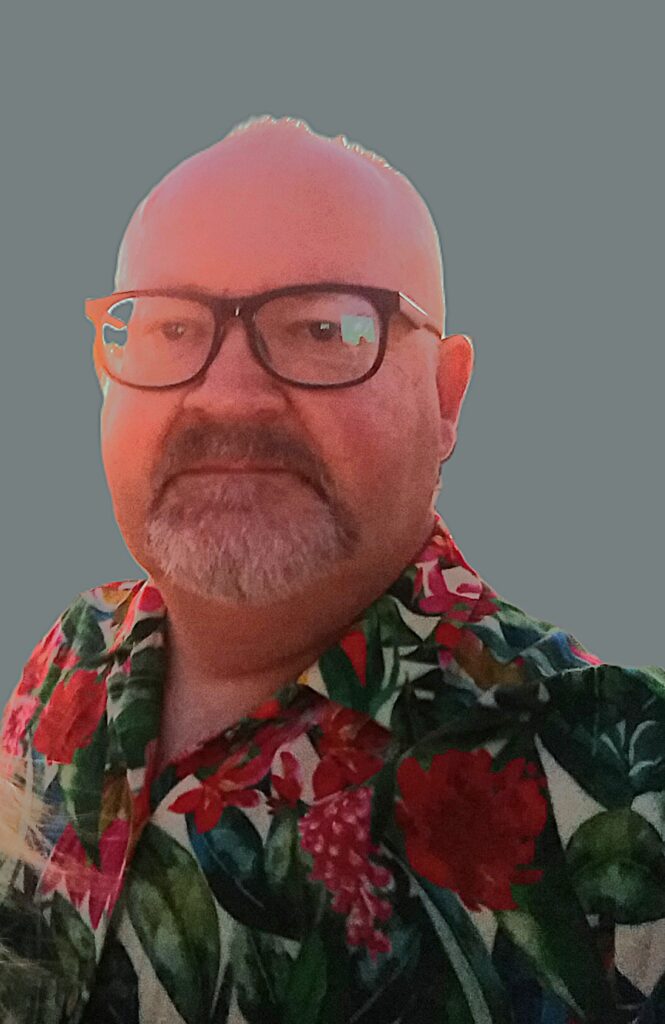
Julian Wenman is Senior Operations Manager in Oncology and Haematology at the University Hospitals Tees (Group) Cancer Institute, based primarily at South Tees Hospitals NHS Foundation Trust, as well as a member of Visions4Health’s Healthcare System Council. He has previously worked in Acute Medicine, following a long career in Forensic Mental Health. He is an active coach, mentor and 360 feedback facilitator, alongside a role as Programme Manager within the NHS GTMS.